
13 hr
Kumano Kodo Pilgrimage: Three Sacred Shrines & Nachi Waterfall Hike
Journey through sacred forests to Japan's three grand Kumano shrines, ancient cedar paths, and the country's tallest cascade
Reserve
Hand-picked by our editors — only the best 2 pilgrimage experiences from 5 reviewed.
Verified partners for every tour, free cancellation where available, and instant confirmation on every booking.
13 hr
Journey through sacred forests to Japan's three grand Kumano shrines, ancient cedar paths, and the country's tallest cascade
Reserve
11 hr
Journey to sacred Kumano shrines and witness Japan's tallest waterfall on this UNESCO pilgrimage route
Reserve
10 hr
Journey through Japan's ancient capitals, sacred shrines, and enchanting bamboo groves on this full-day adventure
ReservePrices from verified partners. Availability updates in real time at checkout. Free cancellation policies apply where shown.
The landmarks, rooms, and views travelers on this tour remember — all visible on a single visit.
Experience the raw power of the 133m waterfall at the sacred Hiryu Shrine worship area.
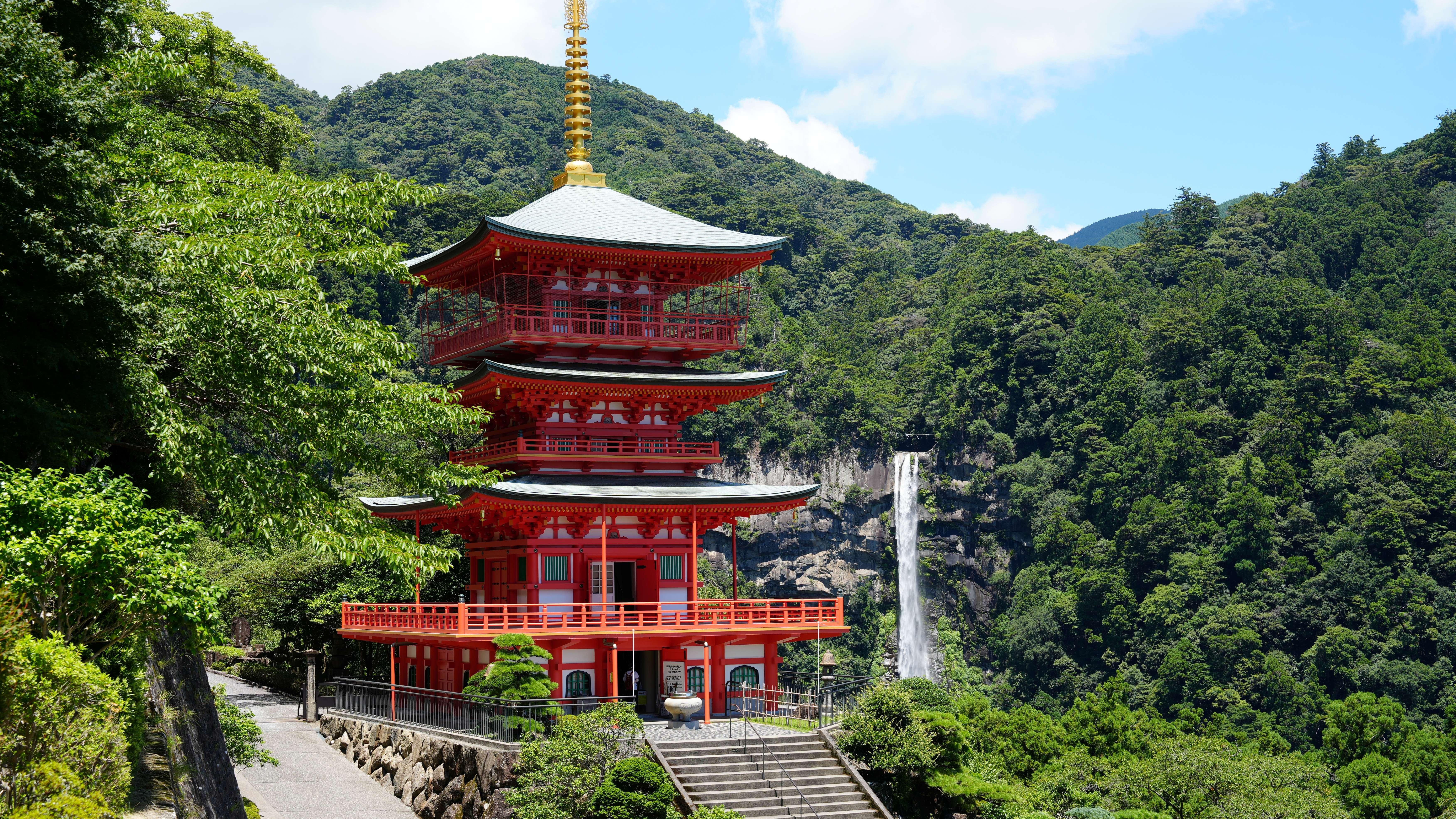
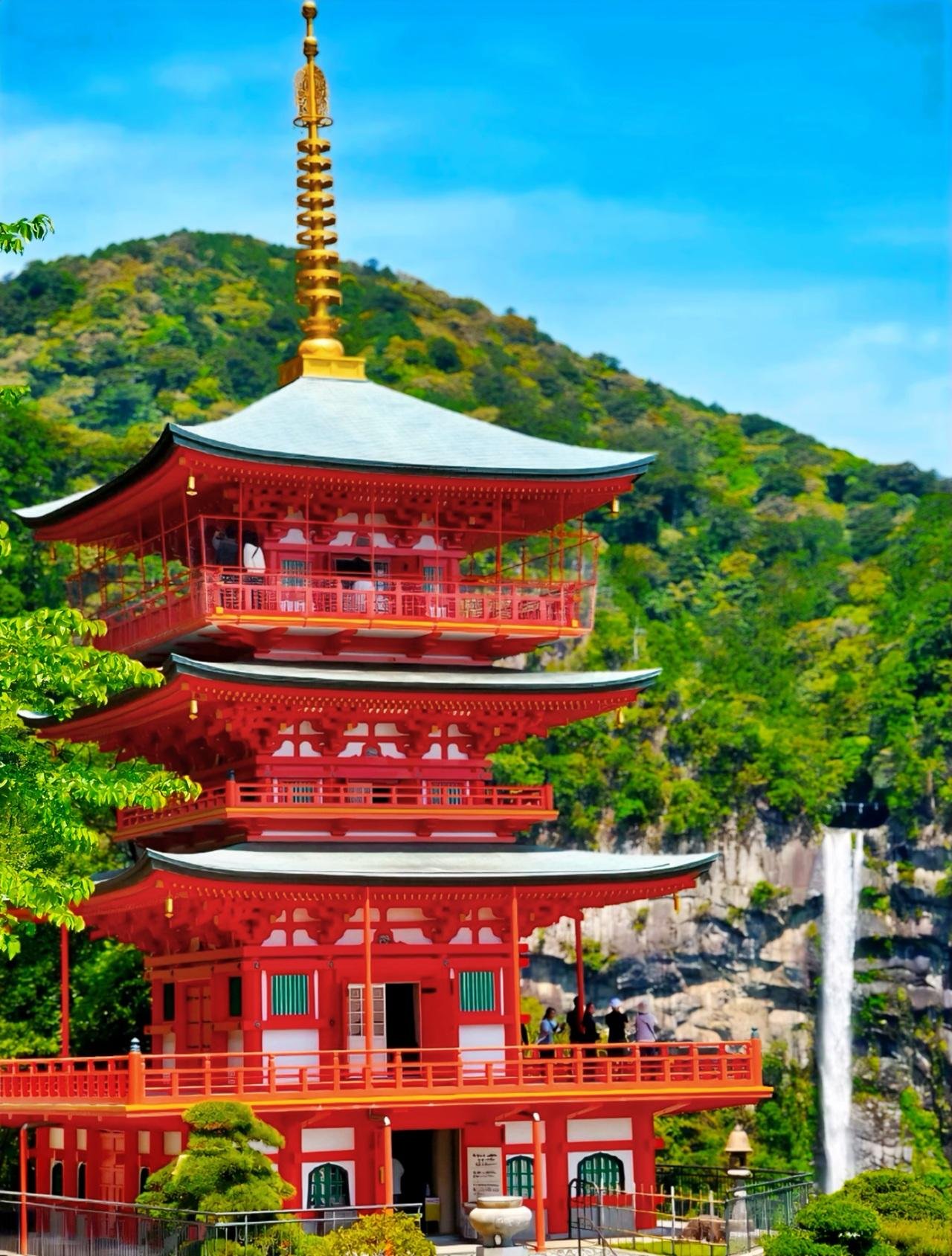
The iconic three-story vermilion pagoda provides the most famous photograph of the area.
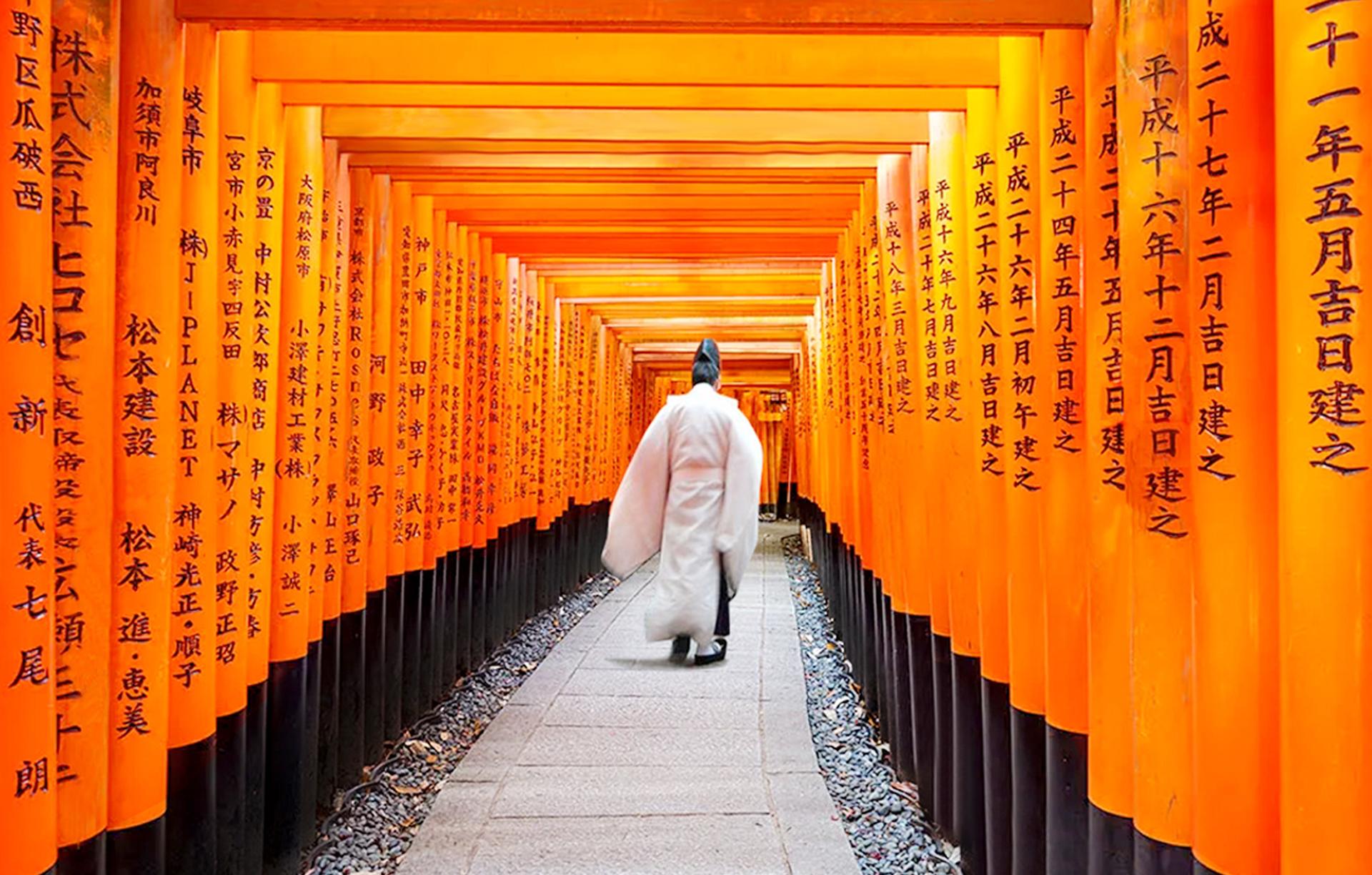
Explore the intricate vermilion-painted halls of this UNESCO-listed grand shrine.
Walk between these 800-year-old twin cedar trees on the ancient pilgrimage trail.
The beautifully preserved 640-meter stone staircase is a key part of the Kumano Kodo.
The waterfall offers a concentrated display of sacred power, while the pilgrimage route provides a deeper, meditative forest immersion; most visitors find the falls easier to integrate into a short itinerary. Those interested in nachi falls day trip from osaka tours often prefer the visual drama, whereas the Hongu Taisha path suits travelers seeking spiritual heritage.
| Feature | Top pick Nachi Falls | Hongu Taisha Route |
|---|---|---|
Primary focus |
Iconic waterfall and temple | Meditative forest hiking |
Physical intensity |
Low to moderate | High |
Travel time from base |
4–5 hours | 5–6 hours |
Historical significance |
Buddhist-Shinto syncretism | Ancient pilgrimage origin |
Key scenery type |
Vertical cascade views | Dense cedar canopy |
| See tickets → |
Verdict: Choose the waterfall if you prioritize iconic landmarks, or select the pilgrimage route if you seek a profound hiking experience, as reflected in various nachi falls day trip from osaka tickets and guide options.
Choose your ticket, select your date, and reserve in under two minutes. Secure checkout handled by our verified partner.
Instant confirmation by email, with a mobile voucher you can save offline. No printing, no queuing at a collection desk.
Arrive at the entrance, show your voucher on your phone, and walk in. Most tickets include priority or skip-the-line access.
Practical details for your visit straight from our verified partners — hours, access, rules, and how to get there.
Kii-Katsuura Station, Wakayama
Primary transport hub for bus connections to the falls.
Take the JR Limited Express from Shin-Osaka Station to Kii-Katsuura Station (approx. 4h), followed by a 30m bus to Nachisan.
Follow the Hanwa Expressway and National Route 42 to Nachikatsuura; paid parking is available near the entrance.
Modest clothing is recommended when visiting the shrine and temple grounds. Comfortable walking shoes are essential due to the extensive stone staircases.
Large luggage should be stored in lockers at Kii-Katsuura Station. Smaller backpacks are acceptable for hiking the Kumano Kodo trails.
Photography is permitted in most areas, though please observe signs regarding sacred shrine interiors. The pagoda viewpoint is a popular spot for nachi falls day trip from osaka tickets holders.
The site involves steep stone steps and natural terrain, making it challenging for wheelchair users. Visitors with mobility concerns should focus on the lower viewpoint.
Mobile phone signal can be intermittent on mountain trails. Download offline maps before beginning your nachi falls day trip from osaka adventure.
The site is family-friendly, though parents should carry small children on the steep stone stairs. Many enjoy the historical atmosphere and forest trails.
Light refreshments are available at shops near the bus stop. We recommend bringing water for the hike up to the waterfall basin.
Pets are generally not permitted inside the inner shrine worship areas. Please keep pets on a short leash if traveling through the surrounding forest paths.
The Kumano Kodo pilgrimage routes are vast; plan your return bus transport carefully. A nachi falls day trip from osaka requires an early start from Osaka or Shin-Osaka station.
Kii-Katsuura Station, Wakayama
Primary transport hub for bus connections to the falls.
Get directionsBest time to go, insider tips, nearby landmarks, and the cancellation fine print — flip through to skim what matters to you.
How crowds, weather, and events shift across the year.
Mild weather and fresh greenery make the mountain hike pleasant for those on a nachi falls day trip from osaka.
Water volume is highest, though temperatures are humid; ideal for cooling mist at the basin.
Vibrant fall foliage surrounds the temple, creating a picturesque setting for your nachi falls day trip from osaka tour.
Crisp, clear air offers excellent visibility, though days are shorter for travel.
Small details that turn a good visit into a great one.
Arriving at 07:00 allows you to enjoy the quietest morning atmosphere before the crowds arrive.
Check the local bus timetable at Kii-Katsuura Station immediately upon arrival for return trip planning.
Wear supportive, worn-in sneakers or hiking boots as the stone steps are steep and can be slippery.
The best classic shot of the pagoda and falls is taken from the path leading toward Seiganto-ji Temple.
Always keep your receipt for the 300 JPY conservation fee, as it may grant you access to the lower worship deck.
Use coin lockers at the station; do not attempt the Nachi hike with suitcases.
Non-bookable sights within a short walk — free to visit, easy to pair.
A historic Buddhist temple located adjacent to the waterfall, offering iconic views of the pagoda.
One of the three grand shrines of the Kumano Kodo, known for its vermilion buildings.
A significant historical temple associated with ancient sea pilgrimages to the Pure Land.
A famous section of the ancient Kumano Kodo pilgrimage trail with massive cedar trees.
Flexible, no hidden fees.
The 300 JPY conservation fee is collected on-site and is non-refundable. Please verify your individual tour operator's terms for any booked nachi falls day trip from osaka tour.
Hand-picked options within walking distance — pick a district for vibe, or a specific hotel for convenience.
A coastal district featuring traditional hot spring inns overlooking the sea.
Simple, accessible lodging located closer to the temple grounds.
A convenient alternative with varied hotel tiers near the historic shrine sites.
Nachi Falls drops 133 metres in a single unbroken column, the tallest plunge waterfall in Japan and the only one venerated as a Shinto deity. Pilgrims ascending the Kumano Kodo have paused at this cascade since the eighth century, when mountain ascetics declared the torrent an embodiment of the kami Hiryū Gongen. The vermillion three-story pagoda of Seigantoji temple frames the cataract in one of the country's most reproduced compositions, a synthesis of Buddhist architecture and animist reverence that defines the Kumano Sanzan pilgrimage circuit. Nachi Taisha shrine occupies the ridgeline above the falls, its main hall rebuilt in 1581 after fire consumed earlier structures. The shrine's annual Nachi no Hi Matsuri, held each July, sees white-robed priests carry twelve flaming torches down stone steps to purify the waterfall's base. The ritual reflects a cosmology in which natural features are not backdrops but active agents, the falls itself registered as Nachi Taisha's primary object of worship. The conservation fee for the viewing platform supports forest stewardship across the 1,200-hectare shrine precincts. The Daimon-zaka approach preserves 267 moss-covered steps beneath cryptomeria cedars planted during the Edo period. This flagstone ascent delivers visitors into the sacred precinct without modern intrusion, the gradient steep enough to shift breath and cadence. Nachi falls day trip from osaka tours typically allocate three hours within the shrine complex, sufficient to complete the pagoda circuit, descend to the platform 300 metres from the falls' base, and traverse the forested ridgeline linking Seigantoji and Kumano Nachi Taisha. The Kumano Kodo network, inscribed as a UNESCO World Heritage site in 2004 alongside Spain's Camino de Santiago, comprises five pilgrimage routes converging at the three grand shrines of Kumano Sanzan. Nachi anchors the southern terminus, its waterfall geology shaped by the collision of the Philippine Sea Plate beneath the Kii Peninsula. The basalt stratum through which the Nachi River plunges was laid down during Miocene volcanism 15 million years ago, creating the vertical joint that channels the falls' trajectory. Early morning light strikes the cascade from the east, turning mist into diffused gold before tour buses arrive after 10:00.
"The falls itself is registered as Nachi Taisha's primary object of worship."
A step-by-step walkthrough of the visit — what you'll see, how long each stage takes, and the details that matter.
You step from the coach into a humidity the cedars cannot dispel, the air green and weighted. The Daimon-zaka staircase begins at a stone torii, each step worn concave by centuries of sandaled feet. Cryptomeria trunks exceed four metres in girth, their bark fibrous and rust-red. The climb takes twelve minutes at pilgrimage pace. You emerge at Seigantoji's courtyard, where the pagoda's vermillion rails align with the white thread of Nachi Falls in the valley below. A monk tends the bronze bell. You pay 300 yen at the platform gatehouse and descend a gravel path to a cantilevered deck suspended above the gorge. The falls strike a plunge pool 133 metres below your sightline, the roar constant and unvarying. Mist reaches the observation rail in pulses. You return uphill to Kumano Nachi Taisha, passing stone lanterns and a secondary shrine housing the camphor tree whose hollow trunk measures eight metres in circumference. The main worship hall faces west, its offering box dark with coins. You exit through the grove where pilgrims once slept before dawn rites, the forest floor soft with needle-fall and the sound of water following you back to the parking terrace.
The viewing platform is open daily from 07:00–16:30.
While possible, it is a long journey requiring about 4–5 hours of travel each way from Osaka, so starting early is vital.
Tickets for specific tours can be booked, but the general entry fee is paid on-site at the waterfall viewing platform.
The conservation fee for the viewing platform is 300 JPY per adult.
Yes, coin lockers are available at the JR Kii-Katsuura Station to store your heavy bags.
Take a JR Limited Express train to Kii-Katsuura Station, then transfer to a Kumano Kotsu bus headed for Nachisan.
Yes, but be prepared for many steep stone steps that may be difficult for very young children.
Yes, photography is allowed and encouraged, especially at the famous pagoda viewpoint.
Wear comfortable walking shoes, as there are many uneven stone steps and slopes throughout the area.