13 hr
Kumano Kodo UNESCO Pilgrimage: Three Sacred Shrines & Nachi Waterfall Hike
Journey through ancient cedar forests to three revered shrines and Japan's tallest waterfall on this spiritual UNESCO trail.
Reserve
Japan's tallest single-drop cascade, where Shinto devotion meets ancient forest
Hand-picked by our editors — only the best 4 experiences from 12 reviewed.
Verified partners for Nachi Falls tours, free cancellation where available, and instant confirmation on every booking.
13 hr
Journey through ancient cedar forests to three revered shrines and Japan's tallest waterfall on this spiritual UNESCO trail.
Reserve
11 hr
Journey from Osaka to the sacred Kii Peninsula to discover ancient shrines and Japan's tallest waterfall.
Reserve
8 hr
Journey through Japan's ancient pilgrimage trails and visit sacred shrines nestled in the Kii Peninsula's mountains
ReservePrices from verified partners. Availability updates in real time at checkout. Free cancellation policies apply where shown.
The landmarks, rooms, and views travelers on Nachi Falls tours remember — all visible on a single visit.
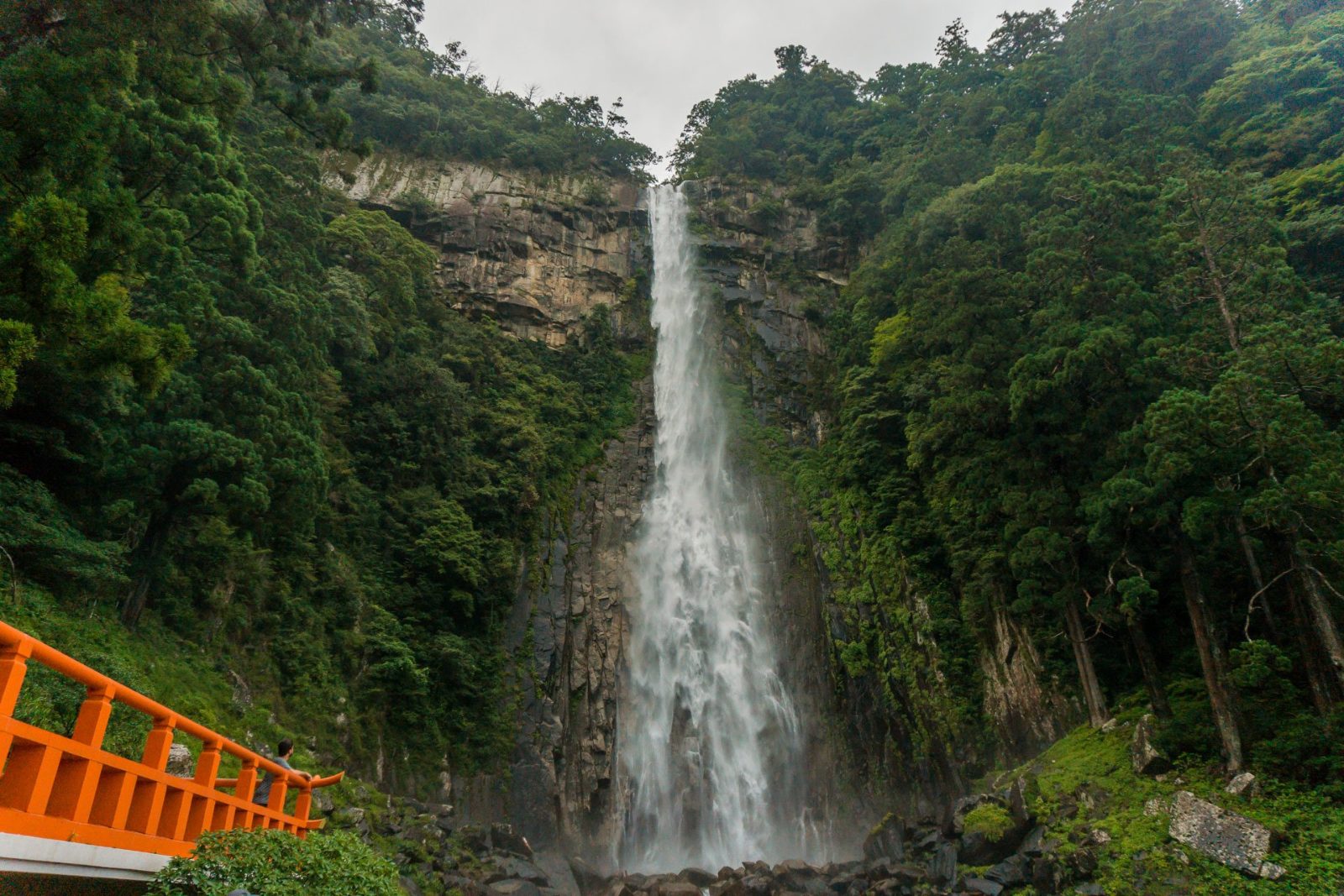
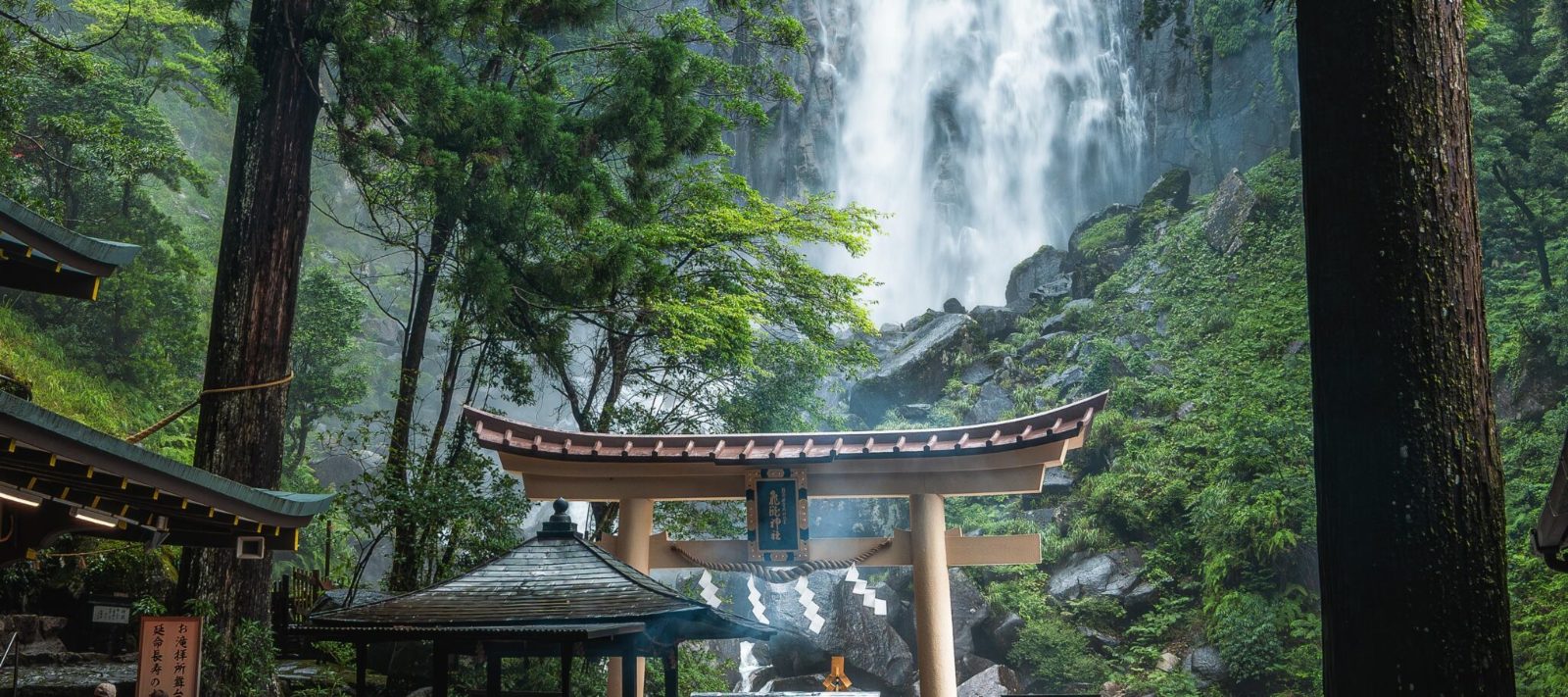
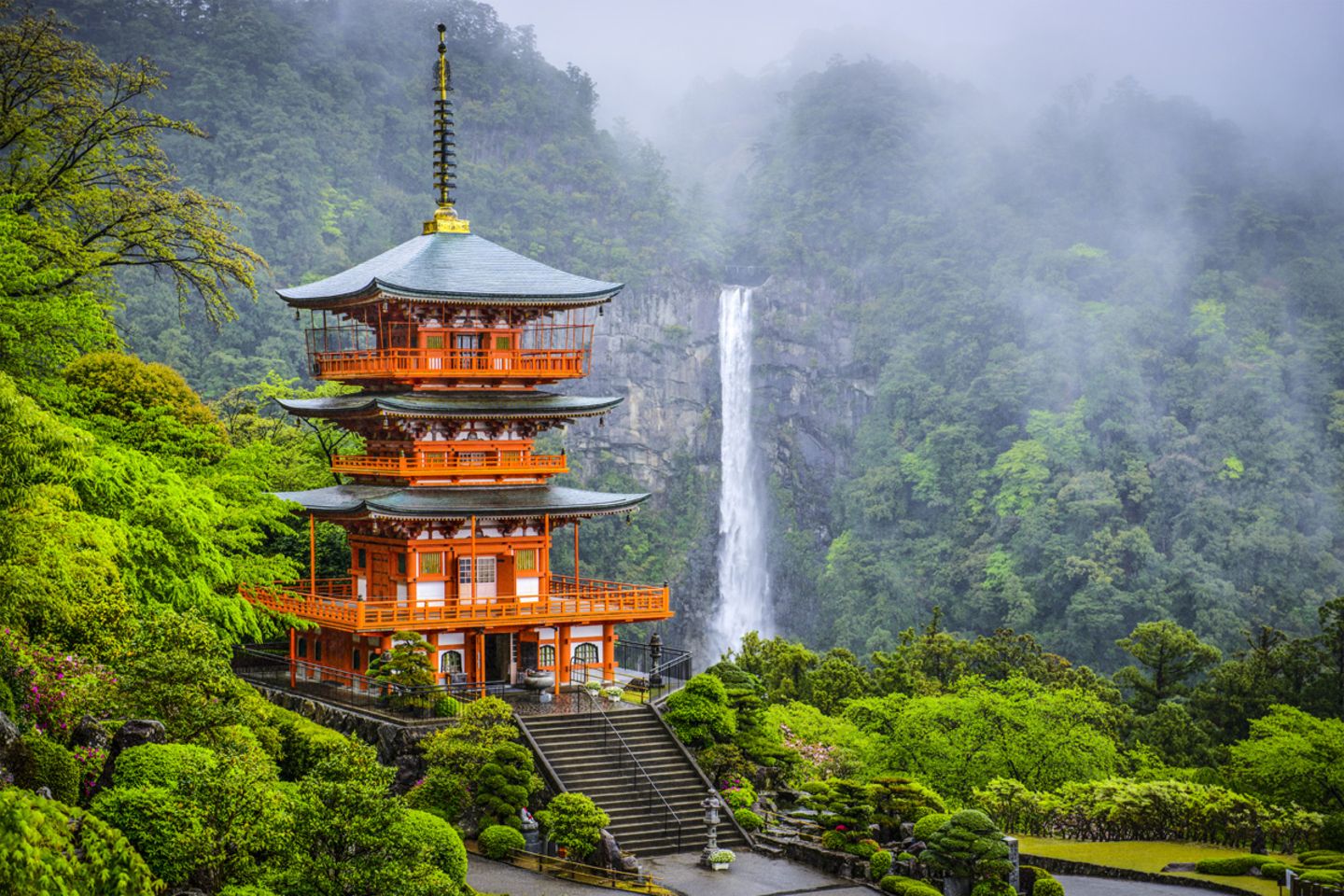
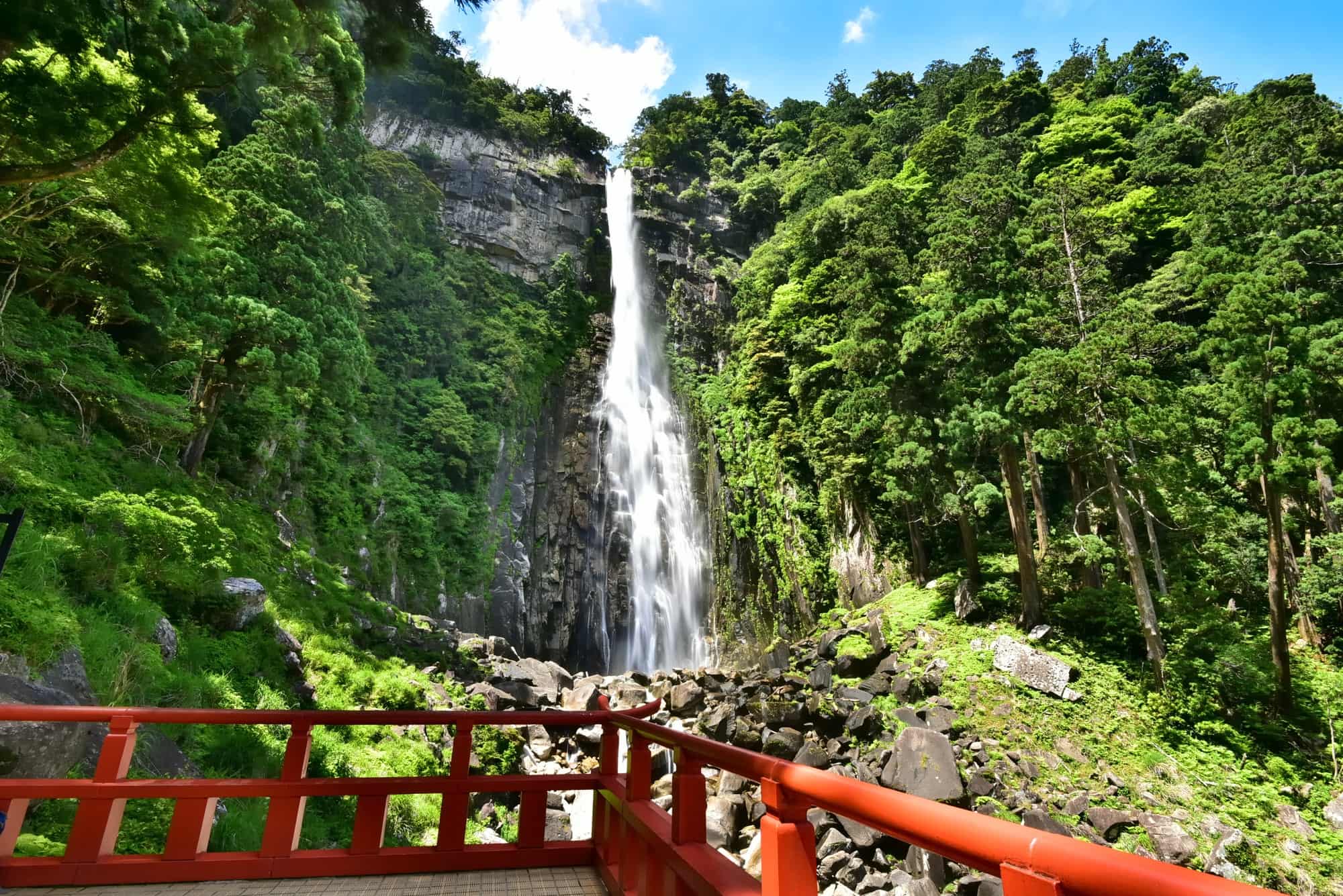
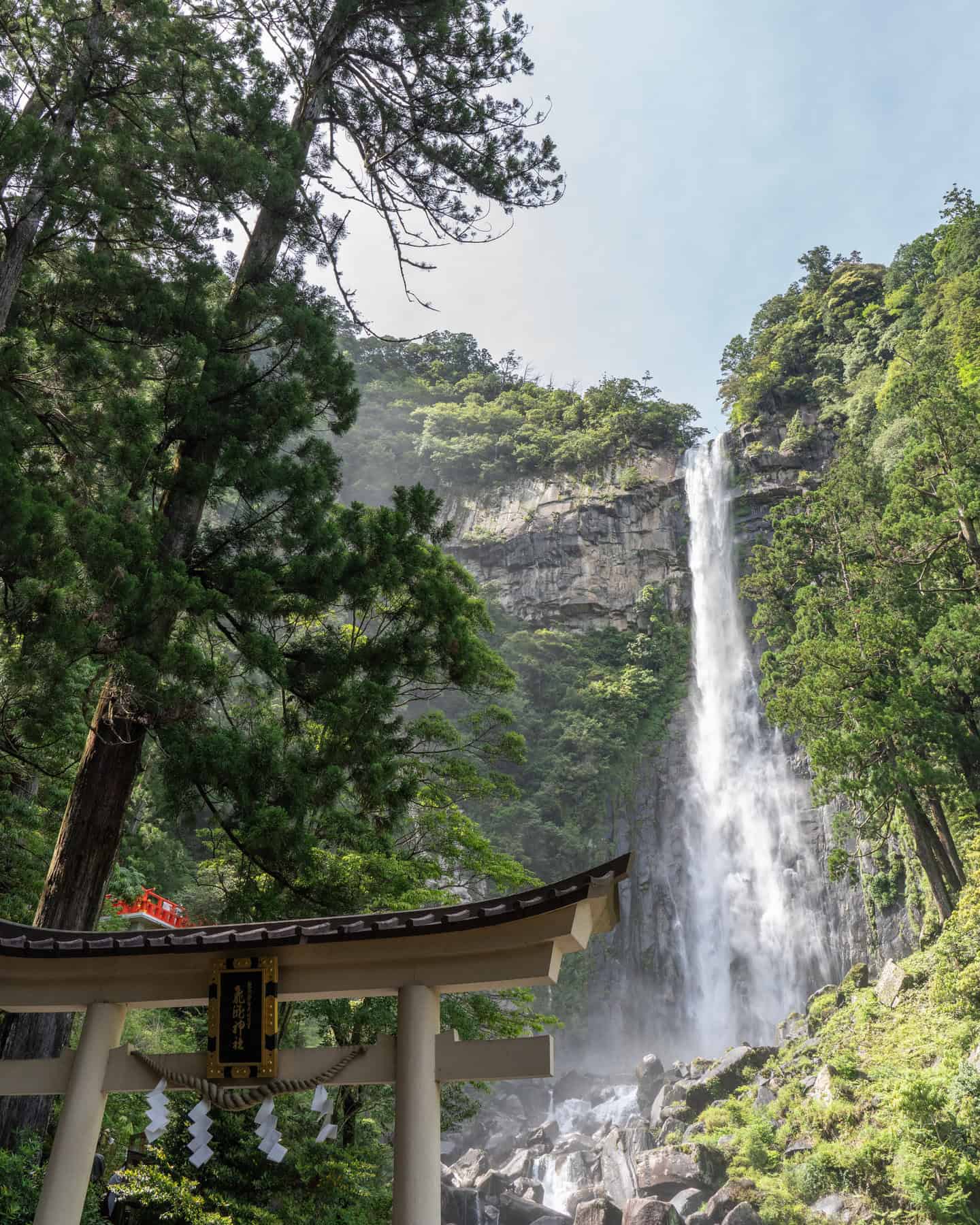
At 133 meters, this is the tallest single-drop waterfall in Japan and the centerpiece of your nachi falls tour. It is revered as a divine body of water.
This designated area provides the closest vantage point to the basin and requires the 300 JPY conservation fee.
This auxiliary shrine is dedicated to the waterfall itself and enshrines the spirit of the site.
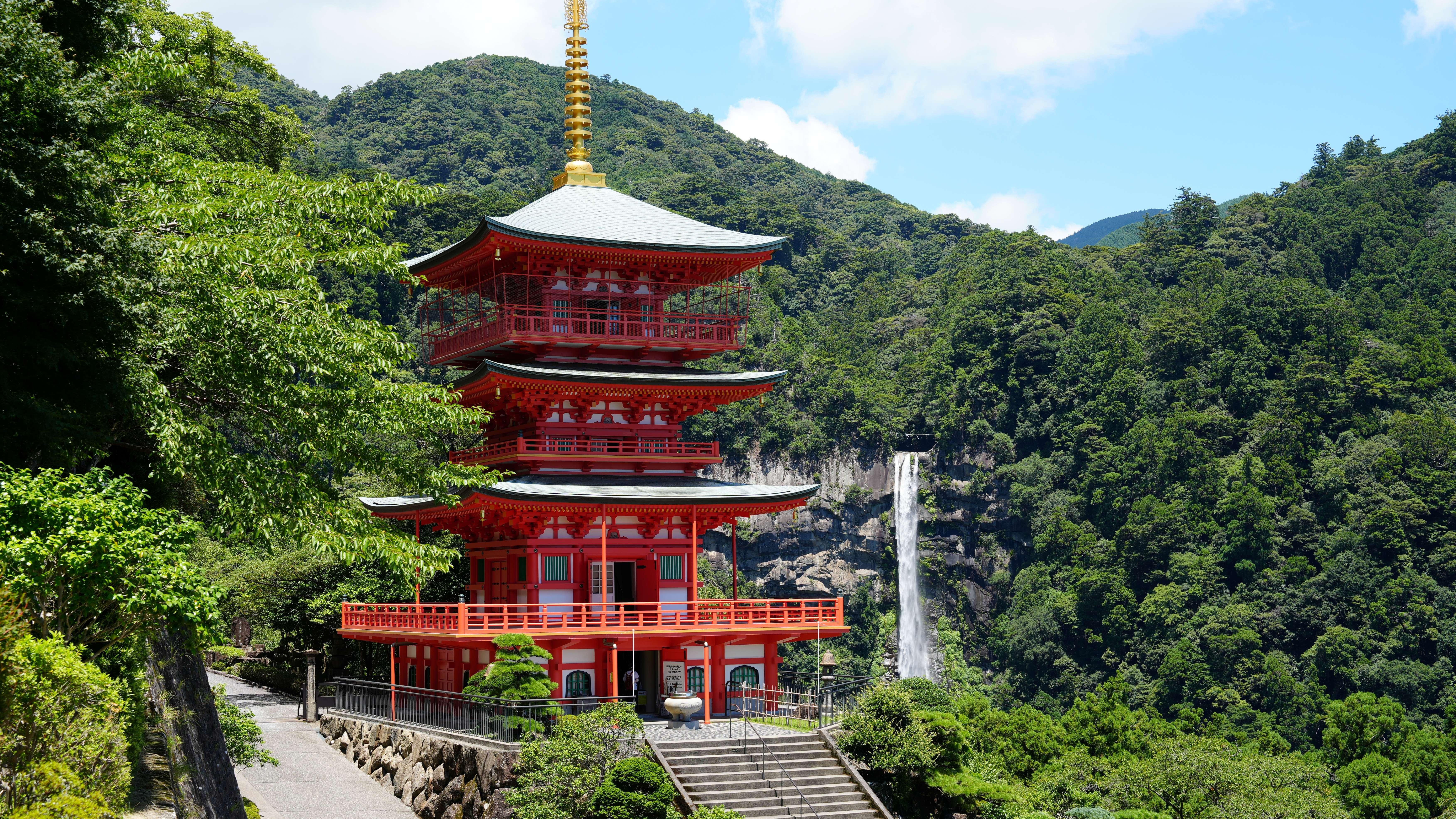
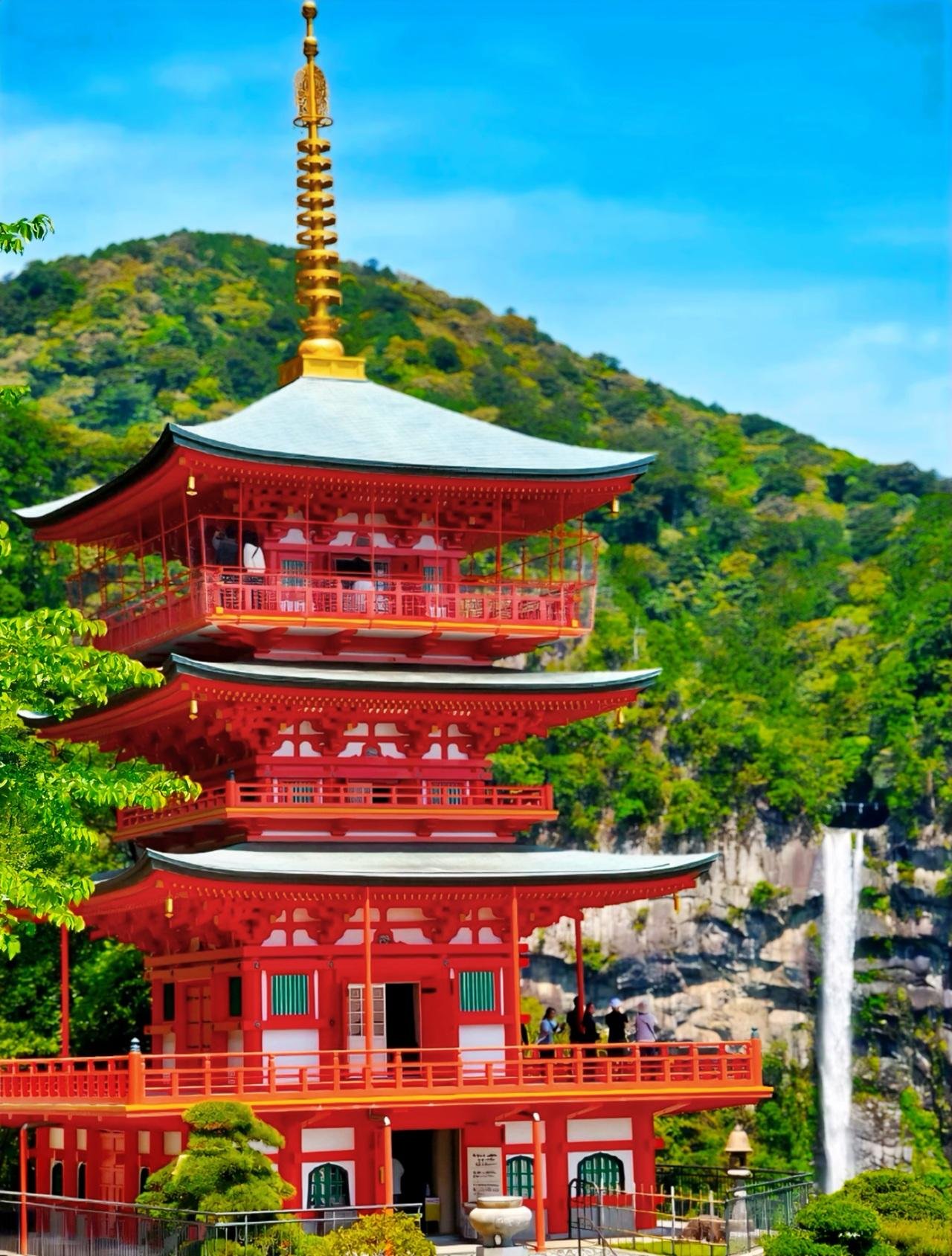
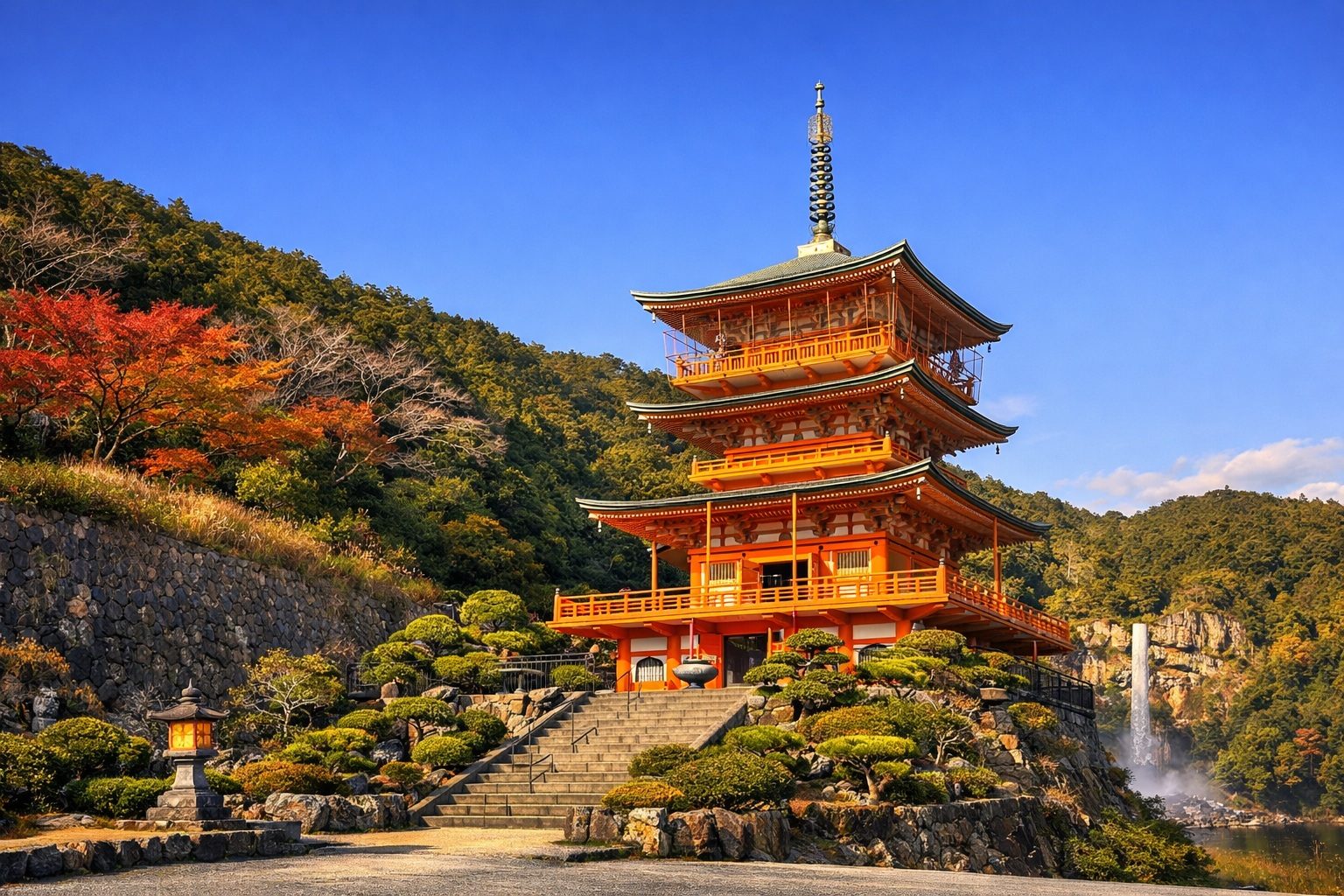
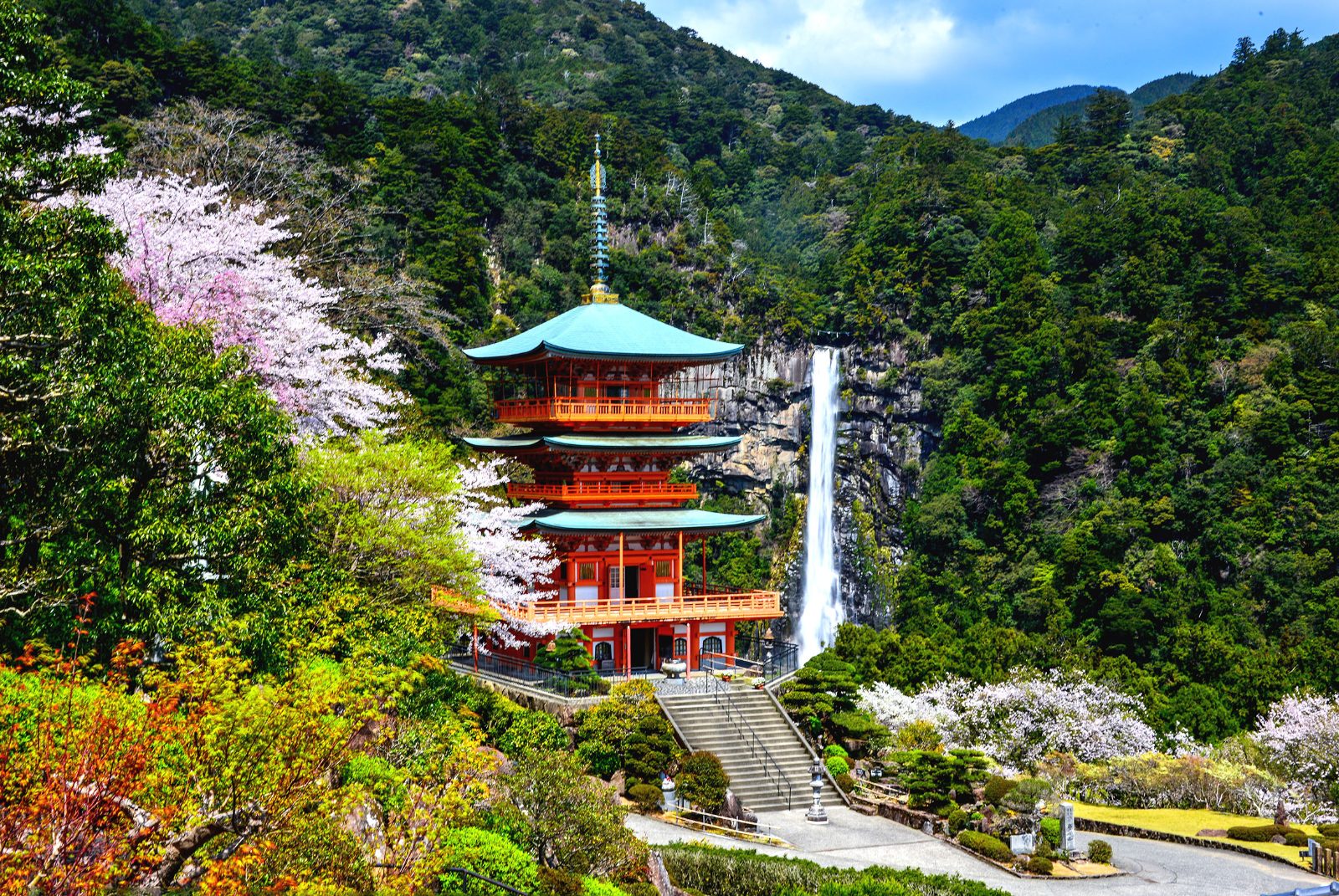
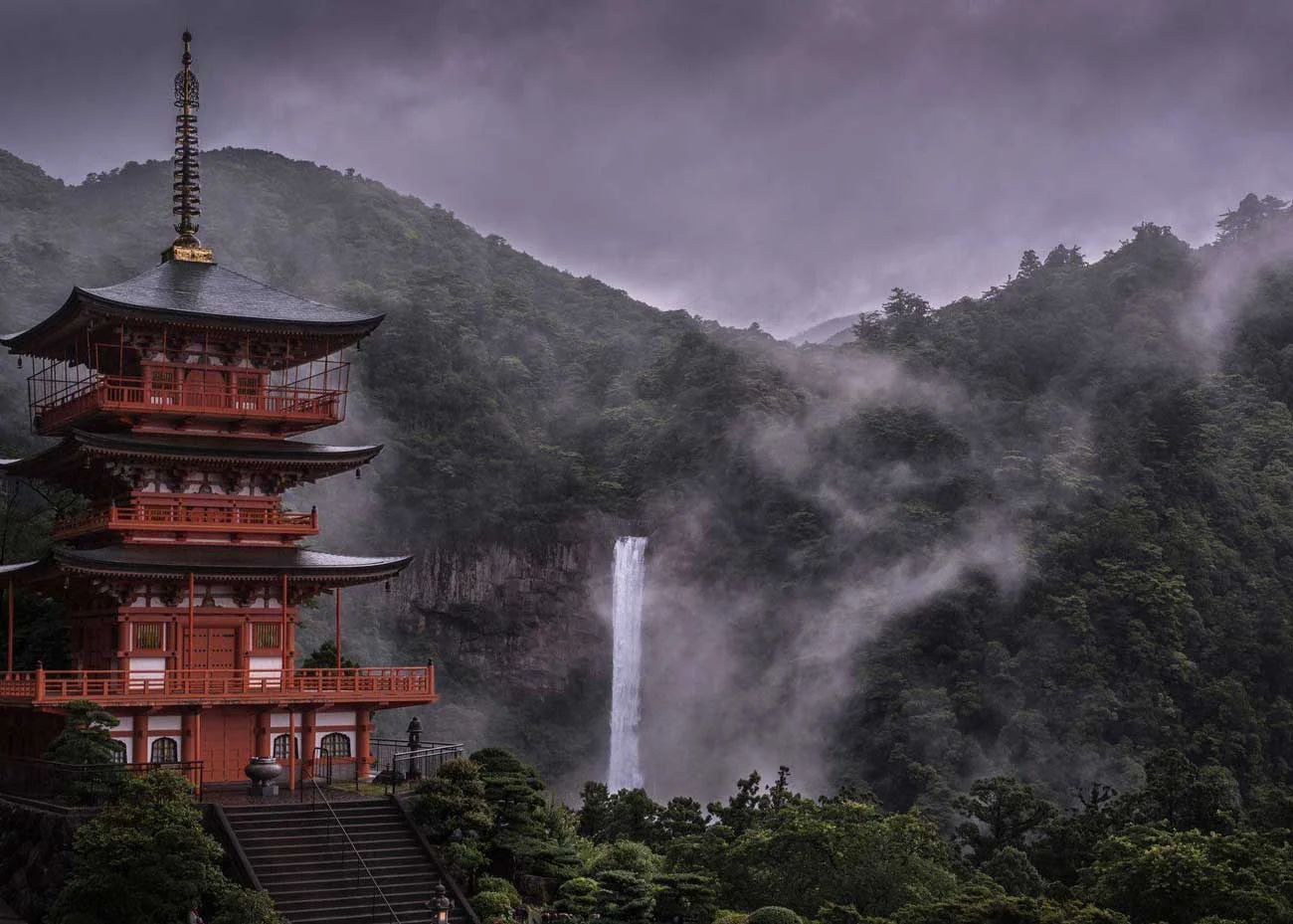
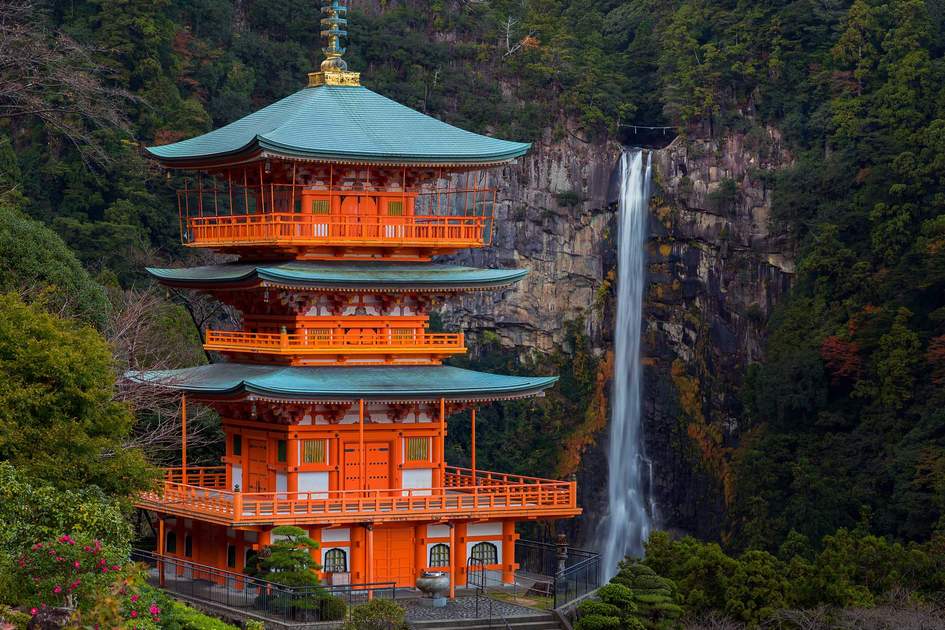
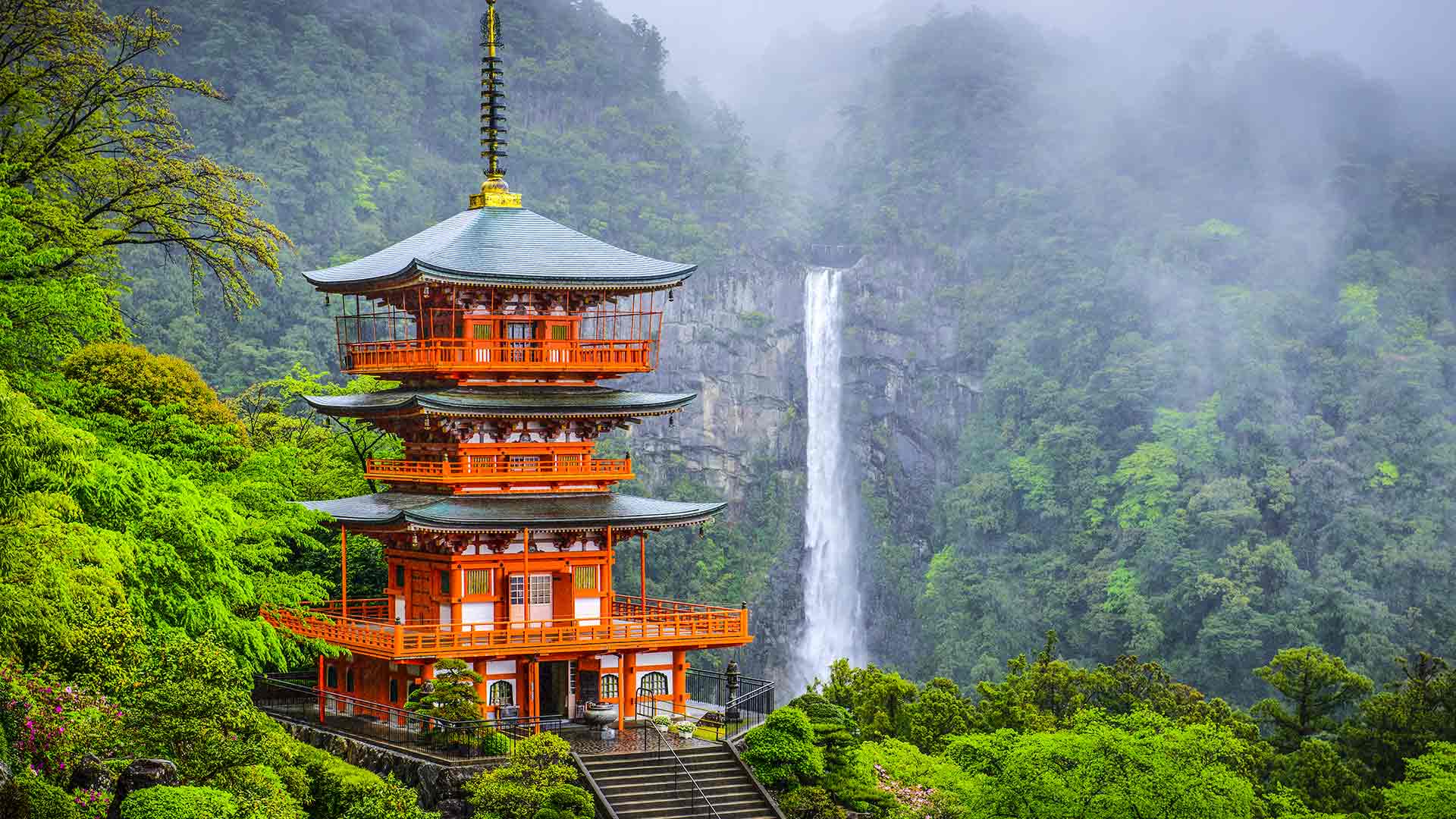
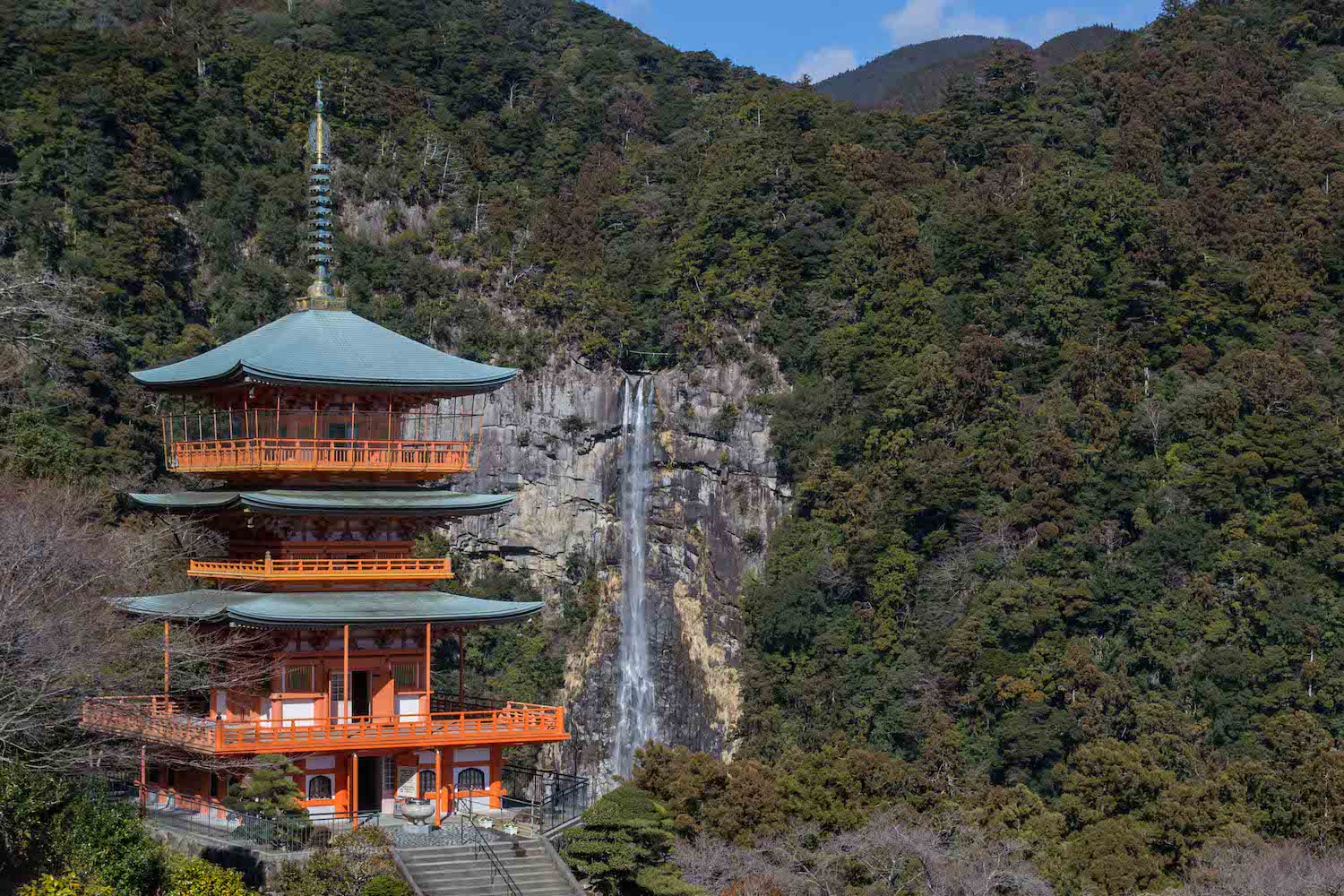
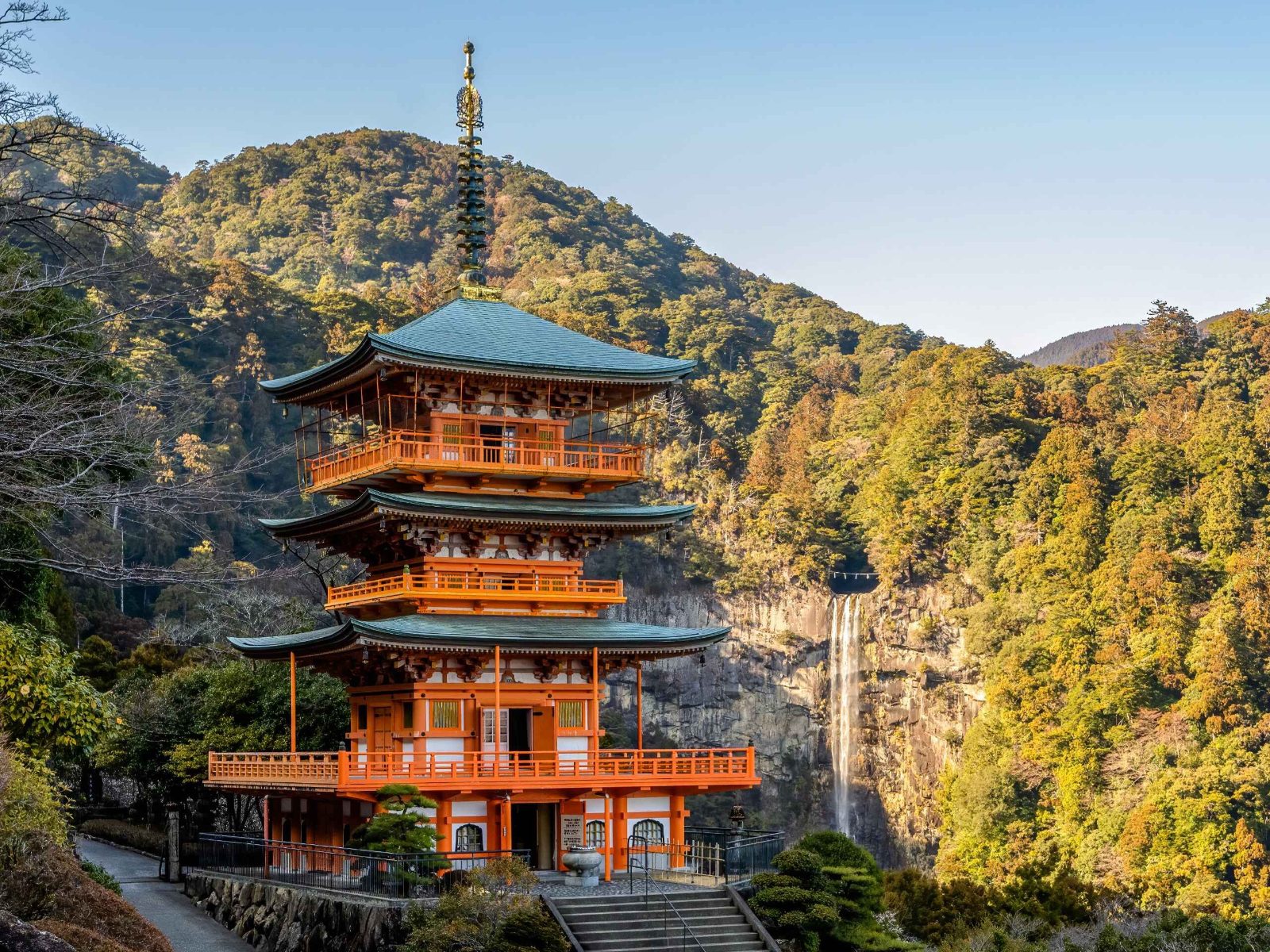
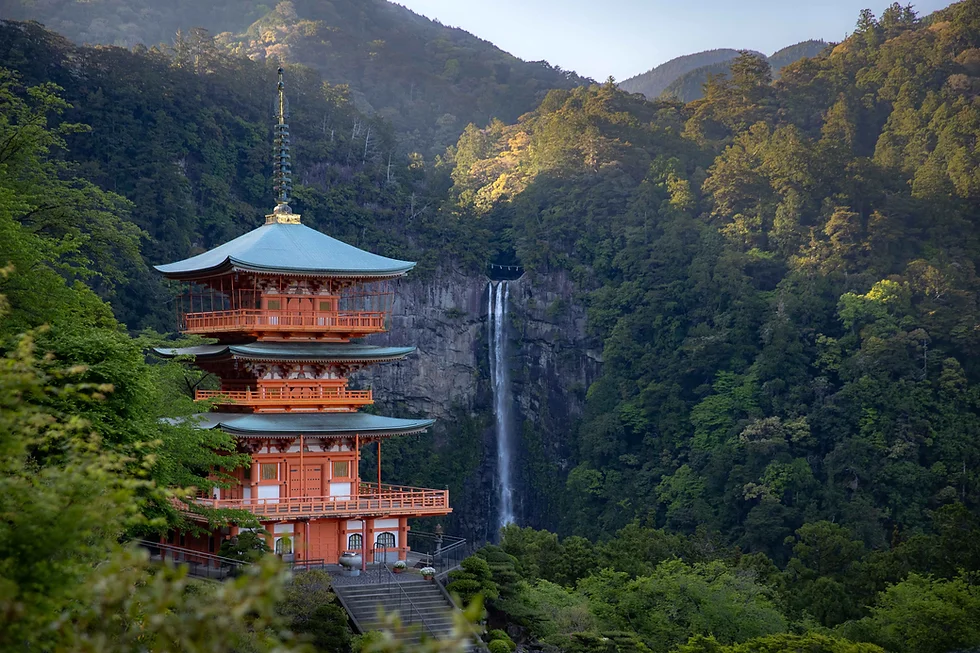
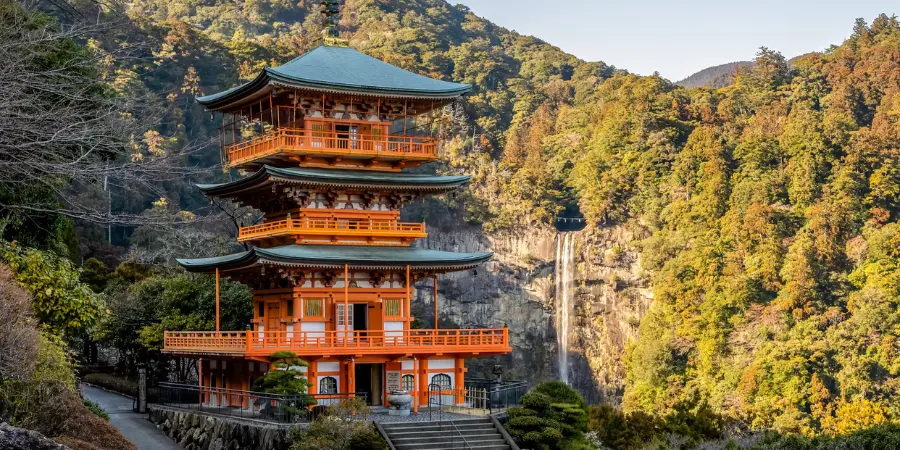
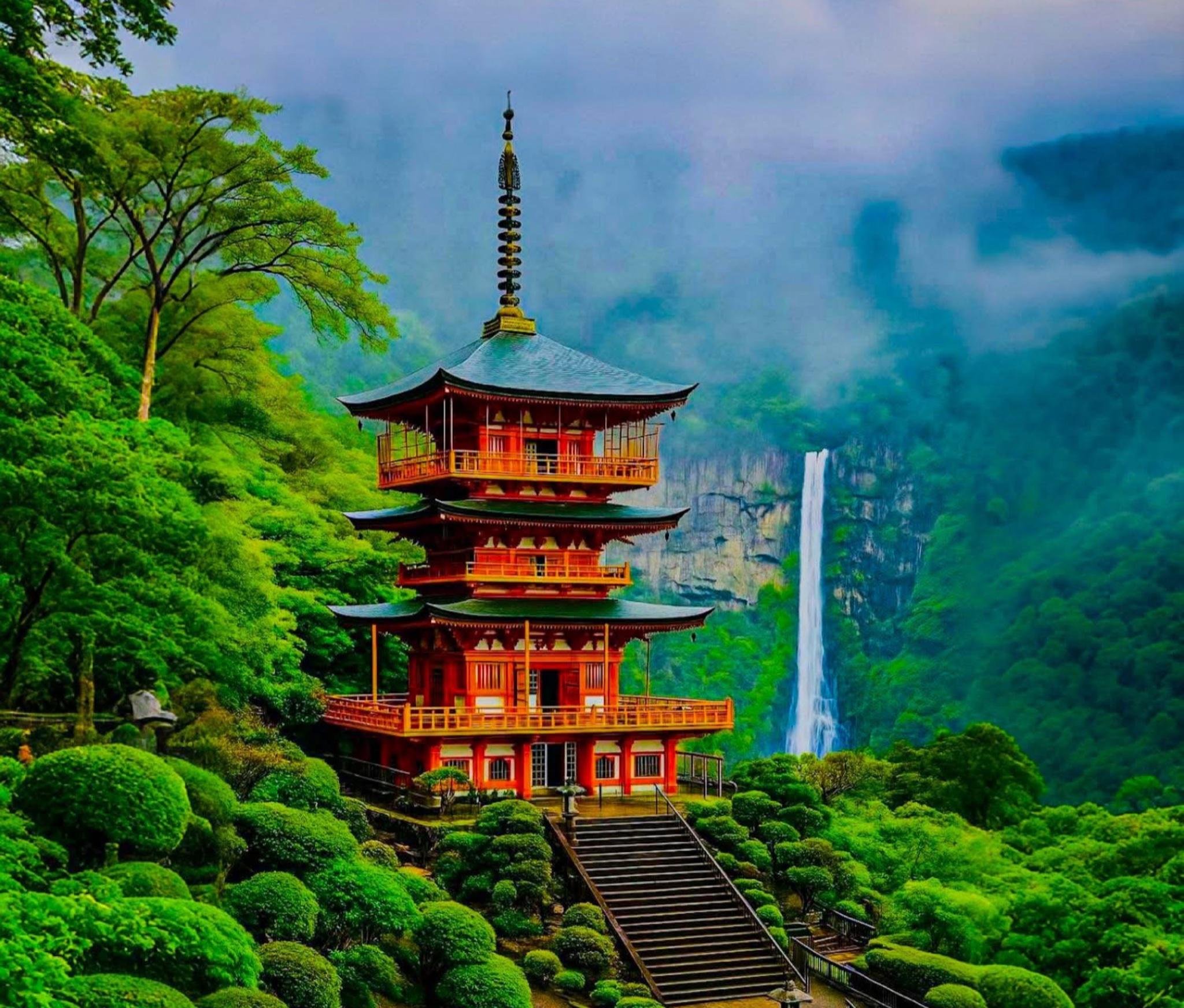
The iconic vermilion three-story pagoda is the most famous landmark to photograph alongside the waterfall.
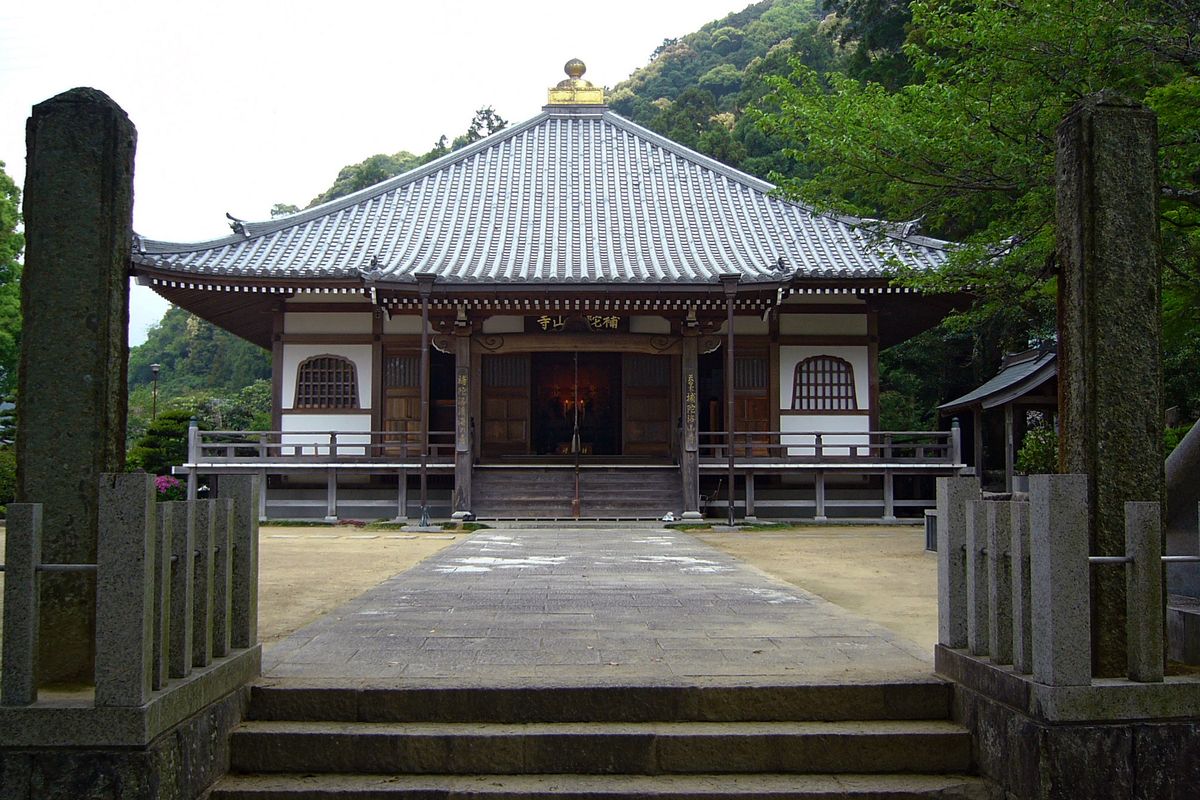
As one of the three grand Kumano shrines, this site is an essential component of any complete pilgrimage visit.
Every Nachi Falls tour side-by-side — duration, what's included, how you redeem.
| Experience | Duration | Rating | Transfers | Skip-the-line | Guide | Free cancel. | Price | |
|---|---|---|---|---|---|---|---|---|
|
Guided Experience Most popular
Kumano Kodo UNESCO Pilgrimage: Three Sacred Shrines & Nachi Waterfall Hike
|
13 hr | ★ 4.9 | — | ✓ | ✓ | ✓ | €87 | Book → |
|
Guided Experience
Kumano Kodo & Nachi Falls Small-Group Day Tour from Osaka
|
11 hr | — | ✓ | ✓ | ✓ | ✓ | €121 | Book → |
|
Luxury / Private
Private Kumano Kodo Pilgrimage Tour with Licensed Guide
|
8 hr | ★ 5.0 | ✓ | — | ✓ | ✓ | €799 | Book → |
All prices from verified partners. Availability and exact terms confirmed at checkout.
The Nachi Falls tour serves as a focused cultural visit, whereas the Kumano Kodo pilgrimage routes offer an immersive multi-day trekking expedition; most visitors find the latter more physically rigorous.
| Feature | Top pick Nachi Falls Tour | Kumano Kodo Pilgrimage |
|---|---|---|
Physical exertion |
Low intensity walking | High intensity trekking |
Time commitment |
1–2 hours | Multiple days |
Primary objective |
Waterfall sightseeing | Spiritual pilgrimage |
Planning complexity |
Minimal | Extensive logistics required |
Typical traveler profile |
Casual sightseers | Experienced endurance hikers |
Nachi falls tour tours |
Available | Available |
| See tickets → |
Verdict: Choose the concentrated Nachi falls tour for a quick, impactful visit, or dedicate yourself to the full Kumano Kodo pilgrimage if you seek a profound, long-term challenge requiring significant nachi falls tour tickets preparation.
Choose your ticket, select your date, and reserve in under two minutes. Secure checkout handled by our verified partner.
Instant confirmation by email, with a mobile voucher you can save offline. No printing, no queuing at a collection desk.
Arrive at the entrance, show your voucher on your phone, and walk in. Most tickets include priority or skip-the-line access.
Practical details for Nachi Falls tickets straight from our verified partners — hours, access, rules, and how to get there.
Nachi-no-Taki-mae, Nachikatsuura
Primary drop-off point for bus travelers
Open in Google MapsTake the Kumano Kotsu bus from Kii-Katsuura Station to the Nachi-no-Taki-mae stop.
Follow national route 42 and signs for Nachisan; limited paid parking is available.
Wear sturdy, comfortable footwear as the path to the nachi falls tour involves navigating many uneven stone steps. Light rain gear is recommended during humid summer months due to the constant mist near the base.
There are no security checkpoints for the nachi falls tour, but heavy luggage should be stored at Kii-Katsuura Station. Small day packs are manageable on the ascent.
Photography is permitted throughout the area, including the iconic view of the pagoda. Please respect other visitors and avoid blocking paths during your nachi falls tour.
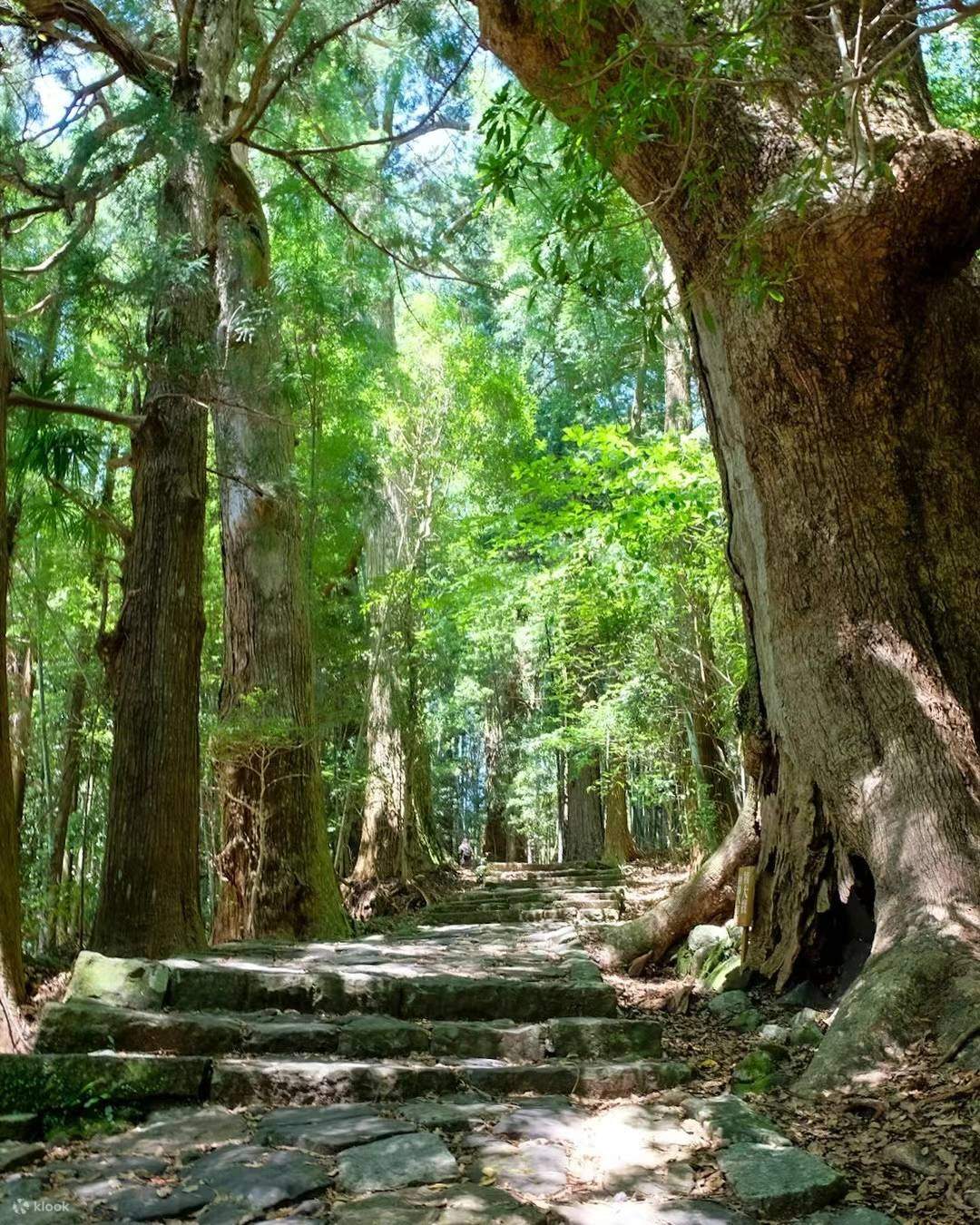
The area around the nachi falls tour site consists of natural stone stairs and forested paths. It is not wheelchair accessible and requires a moderate level of physical fitness.
Mobile reception is generally reliable, but consider downloading offline maps before starting your nachi falls tour. Please set devices to silent mode near shrine areas.
The trail is suitable for active families, though strollers cannot be used on the stone steps. Children should be closely supervised near the water basin.
There are local shops near the nachi falls tour entrance selling light snacks and water. Please carry all trash with you to maintain the sanctity of the World Heritage site.
Pets are generally discouraged due to the steep, narrow paths and religious site regulations. Service animals are permitted with proper identification.
The nachi falls tour is a site of deep spiritual significance. Please maintain a quiet demeanor when passing through Hiryu Shrine.
Nachi-no-Taki-mae, Nachikatsuura
Primary drop-off point for bus travelers
Get directionsBest time to go, insider tips, nearby landmarks, and the cancellation fine print — flip through to skim what matters to you.
How crowds, weather, and events shift across the year.
March–May offers cool temperatures and fresh green foliage perfect for hiking.
June–August brings high humidity and peak water flow for a dramatic, mist-filled experience.
September–November features vibrant colors surrounding the waterfall basin.
December–February is clear and quiet, providing excellent visibility for photography.
Small details that turn a good visit into a great one.
Arrive between 07:00–09:00 to experience the peaceful atmosphere before tour buses arrive.
The path involves significant stairs; pace yourself and use the provided benches if needed.
For the best photo, capture the pagoda at Seiganto-ji Temple with the falls as a backdrop.
Keep small change ready for the 300 JPY entrance fee at the waterfall viewing platform.
Leave open-toed shoes behind; the ancient stone paths are slippery and uneven.
Remember that this is an active place of worship; avoid loud conversations or intrusive behavior.
Non-bookable sights within a short walk — free to visit, easy to pair.
A major Shinto shrine complex and part of the UNESCO pilgrimage.
Ancient temple known for its three-story pagoda and connection to the waterfall.
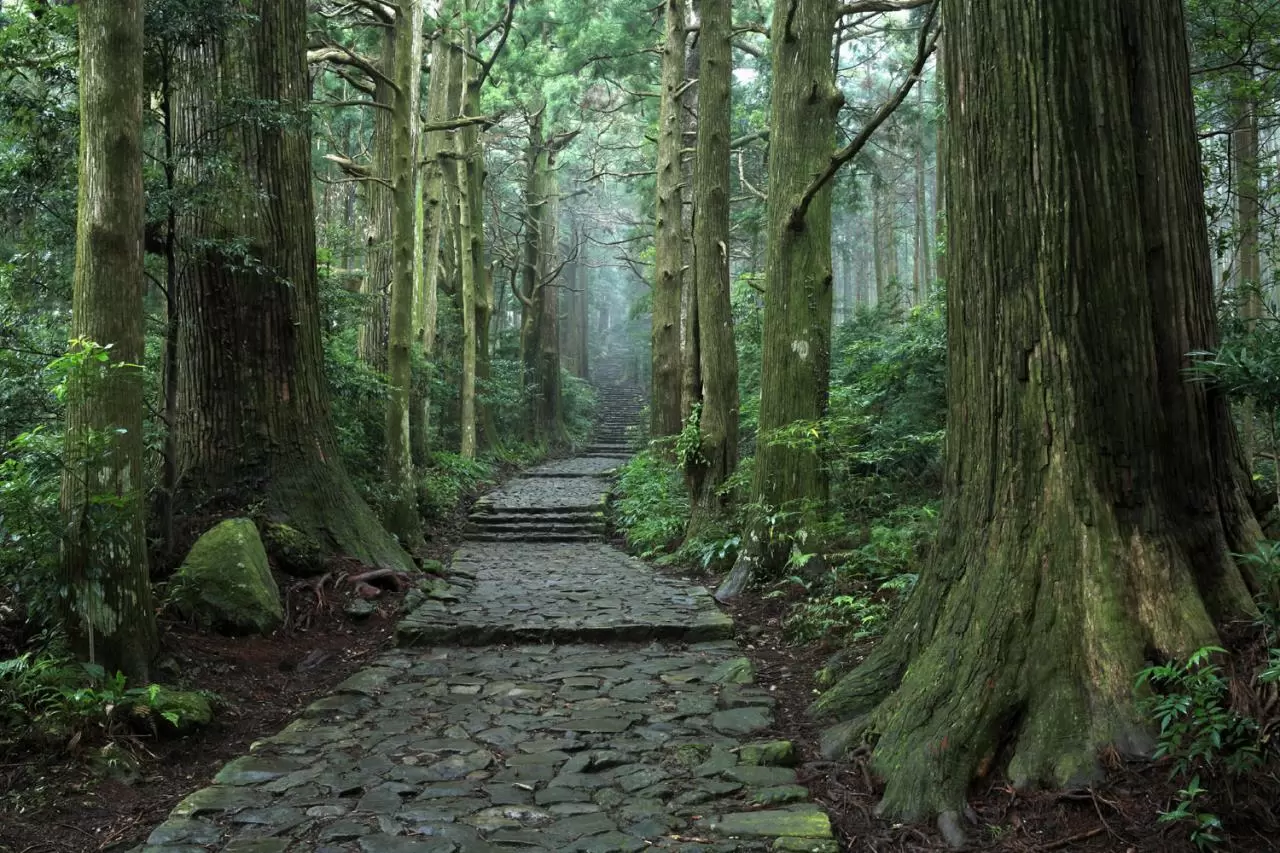
A beautifully preserved section of the ancient pilgrimage trail.
Historic site significant to the Buddhist history of the Kumano region.
Flexible, no hidden fees.
N/A. As the 300 JPY conservation fee is collected on-site for access to the waterfall viewing platform, no advance booking or cancellation policy applies.
Hand-picked options within walking distance — pick a district for vibe, or a specific hotel for convenience.
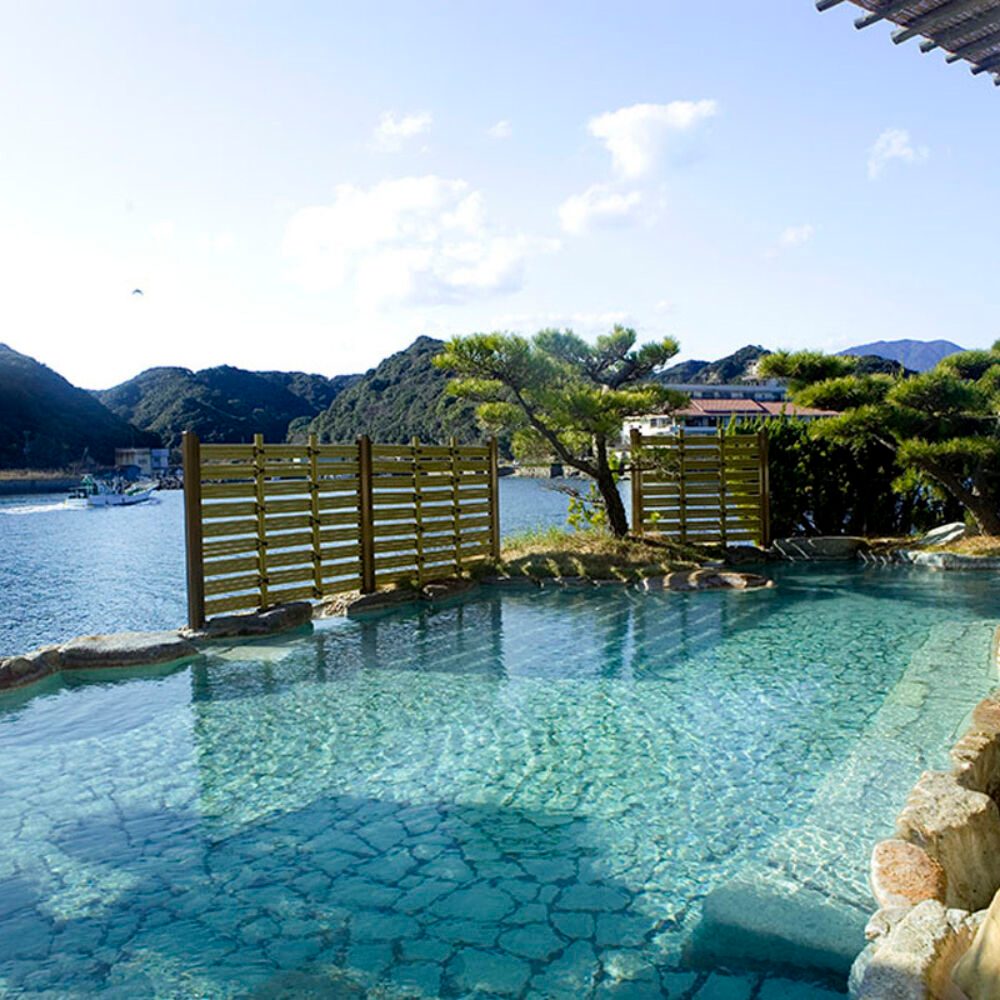
Coastal resort area with various onsen hotels and traditional ryokans.
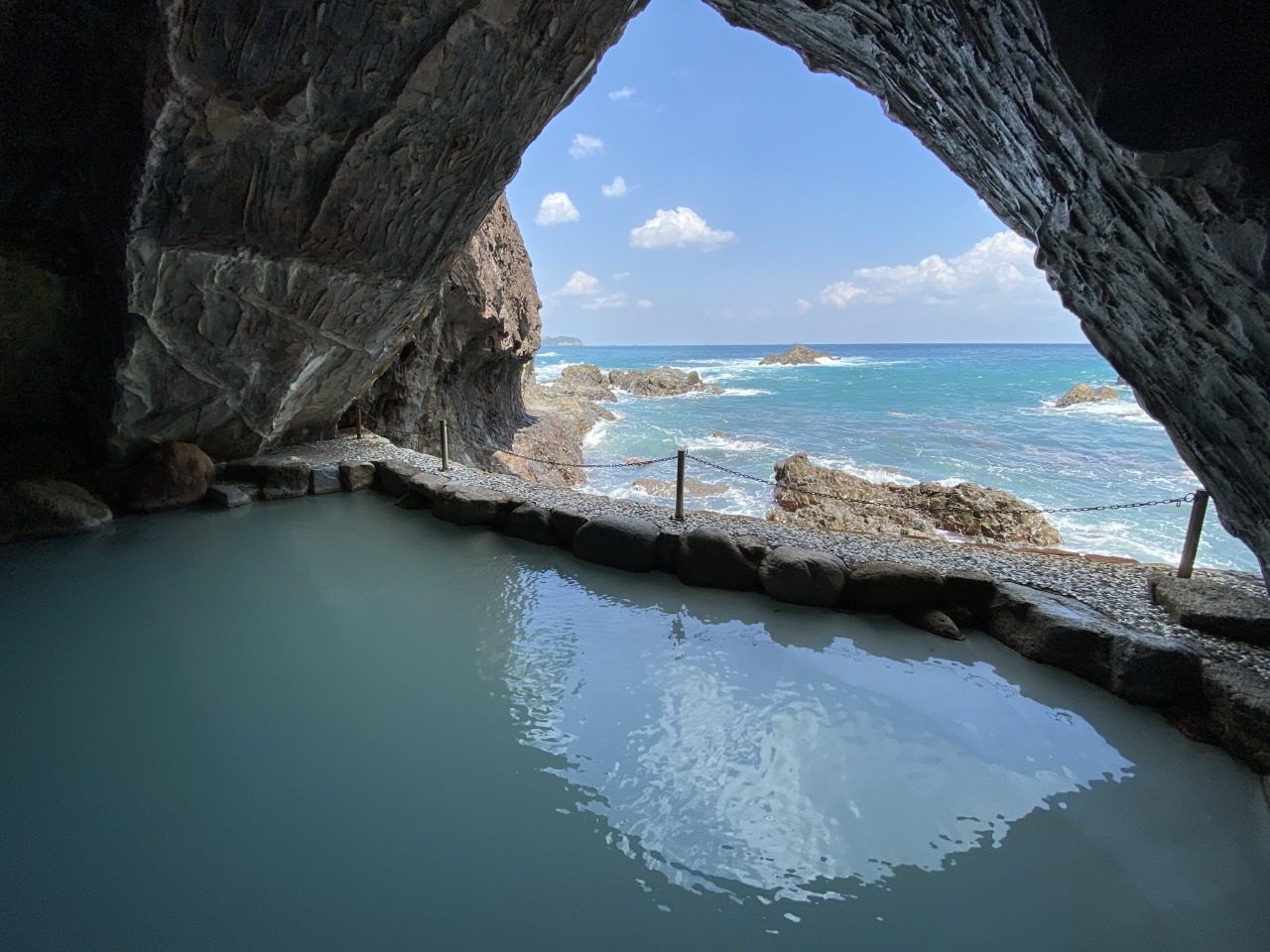
Renowned hotel featuring a cave onsen overlooking the sea.
Simple, affordable lodging options located near the train station.
Nachi Falls plunges 133 metres in a single unbroken column, the tallest drop of its kind in Japan and a focal point of worship for more than fourteen centuries.
The cascade descends from the forested heights of the Nachi Mountains, its silhouette framed by the vermilion three-storied pagoda of Seiganto-ji Temple, a composition so iconic it appears on pilgrimage scrolls dating to the Heian period. The waterfall is not merely landscape; it is kami, a Shinto deity embodied in water, revered at Nachi Taisha Grand Shrine and approached by pilgrims who complete the Kumano Kodo network of sacred trails.
The Kumano region was inscribed as a UNESCO World Heritage Site in 2004 under the designation Sacred Sites and Pilgrimage Routes in the Kii Mountain Range, recognizing the layered religious landscape where Shinto animism and Buddhist cosmology coexist. Nachi Falls forms one vertex of the Kumano Sanzan, the triumvirate of grand shrines that anchored medieval pilgrimage. Emperors, aristocrats, and commoners traversed mountain passes to stand before the falls, conducting misogi purification rituals in its mist. The viewing platform, accessed via stone staircases through cryptomeria groves, places visitors at eye level with the cascade's midpoint, where the volume and velocity of water generate a continuous low roar and a fine spray that coats the observation deck.
Seiganto-ji, founded in the fourth century and rebuilt repeatedly after fires, remains an active Tendai Buddhist temple. Its pagoda, constructed in 1972 to replace a structure lost in the seventeenth century, rises from a stone terrace opposite the falls, creating the dual-icon vista reproduced in postcards and woodblock prints. The temple grounds preserve a millennium-old camphor tree, its trunk split and hollow, and a collection of devotional plaques inscribed by Edo-period travelers. Adjacent Nachi Taisha, rebuilt in 1587, enshrines the falls itself as its primary object of worship, a practice rooted in pre-Buddhist nature veneration.
Nachi falls tour options range from half-day excursions departing Kii-Katsuura station to multi-day itineraries combining the waterfall with other Kumano Kodo segments. Many tours originating from Osaka or Kyoto bundle transport, shrine admission, and a guide versed in the site's religious iconography. The 300-yen conservation fee supports maintenance of the viewing platform and forest pathways; independent visitors arriving by local bus pay the same rate. The falls flow year-round, fed by the region's high annual rainfall, though volume peaks during the June rainy season and the September typhoon window, when the cascade's width doubles and the spray reaches the pagoda's lower eaves.

"The waterfall is not merely landscape; it is kami, a Shinto deity embodied in water."
A step-by-step walkthrough of Nachi Falls tickets — what you'll see, how long each stage takes, and the details that matter.
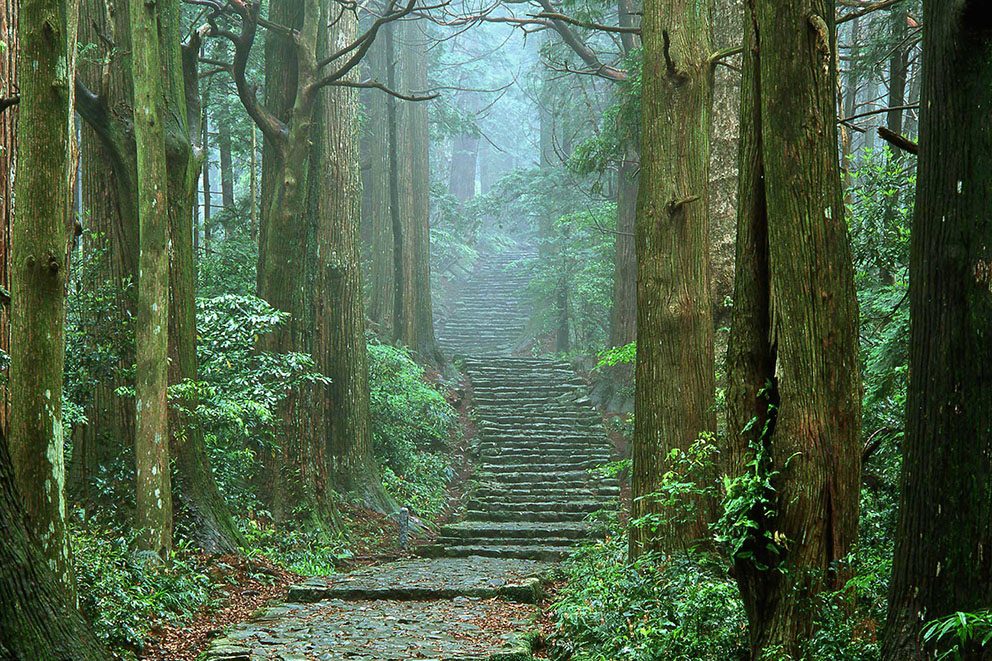
You arrive at Nachi Taisha's lower precinct, where stone steps ascend through a tunnel of cryptomeria trunks, their bark blackened by centuries of humidity. The climb takes eight minutes, passing smaller shrines set into the hillside, each sheltering offerings of coins and folded paper.
At the upper plateau, the path forks: left toward Seiganto-ji's pagoda, right to the waterfall viewing platform. You take the right fork, descending a brief staircase to the platform cantilevered over the gorge.
The falls appear suddenly, a white column suspended between forested cliffs, the sound arriving before the full view. You pay the 300-yen fee at the unmanned collection box and step onto the metal grating. Mist drifts across the platform in pulses, coolest in the early morning when sunlight has not yet warmed the gorge. The water's descent is so direct that you can trace individual currents from the lip to the plunge pool 133 metres below. A small stone altar occupies the platform's far corner, where visitors leave coins and tie omikuji fortune slips to a rope strung between posts.
Returning to the fork, you climb to Seiganto-ji's pagoda, where the classic photograph—vermilion tower against white water—requires positioning yourself on the temple's main terrace. The angle is narrow; three steps left or right and the composition dissolves. You walk the temple's perimeter, passing the hollow camphor tree and a bronze bell dated 1369, before exiting through the gate that returns you to the trailhead.
The waterfall viewing platform is open from 07:00–16:30 daily.
Yes, there is a 300 JPY conservation fee per person for the waterfall viewing platform.
Take the Kumano Kotsu bus from Kii-Katsuura Station and alight at the Nachi-no-Taki-mae stop.
Yes, coin lockers are available at Kii-Katsuura Station near the bus terminal.
Yes, the falls are considered an inner sanctuary of the Kumano Nachi Taisha shrine and can easily be combined.
No, the site is not stroller accessible due to the uneven stone stairs and steep terrain.
Early morning between 07:00–09:00 is recommended to avoid midday crowds.
Photography is allowed, though visitors on a nachi falls tour should avoid using bulky equipment that blocks paths.
Yes, there are several local shops near the entrance selling snacks and regional treats.